FBI Warns iPhone Android Text Messages: Stay Secure Now
Table of Contents
The FBI and CISA warn that texts between iPhones and Androids lack end-to-end encryption and are easier to intercept. Use encrypted apps like Signal or WhatsApp for cross-platform chats, keep phones updated, and never click links in unsolicited texts.
Check out our latest blog on Unlock FF Beta: APK Risks & Account Safety
Why the FBI Is Suddenly Talking About Your Texts

The latest headlines, “FBI warns iPhone Android text messages,” aren’t just clickbait. They point to a real privacy gap that affects millions of people who text daily across different devices.
When federal agencies like the FBI and CISA issue a joint warning, it’s because a common habit has turned into a potential threat surface.
Their investigation found that texts exchanged between iPhones and Androids often lack end-to-end encryption, leaving them more exposed to interception, smishing scams, and even state-sponsored spying campaigns.
In plain words: what you send in those green-and-blue bubble threads isn’t as private as you think.
That’s why the FBI and CISA are urging users to move sensitive conversations to encrypted apps like Signal or WhatsApp, keep devices updated with the latest security patches, and never tap links from unknown senders.
Check out our latest blog on What Is PII? Definition, Examples & Security Risks
The quick story you actually care about
You text your partner from your Android; they reply from an iPhone.
It looks the same. It’s not.
When you cross that blue-bubble/green-bubble divide, your messages can lose end-to-end encryption, which means attackers targeting telecom networks can potentially intercept content and metadata.
That’s why U.S. cyber agencies raised the alarm after a major telecom espionage campaign.
What happened (in human words)
Telecom espionage campaign (“Salt Typhoon” context): U.S. officials said PRC-linked actors targeted multiple U.S. telecom providers, harvesting call records and, in some cases, accessing live communications. The incident pushed agencies to publish hardening guidance and warn the public.
Why cross-platform texting is the weak link: iMessage ↔ iMessage and Android RCS ↔ Android RCS can be end-to-end encrypted, but iPhone ↔ Android often falls back to SMS/MMS, which isn’t. That’s the gap attackers love.
What the FBI/CISA wants you to do

After the FBI warns iPhone Android text messages story went viral, and both agencies clarified what users should actually do because the problem isn’t your phone model, it’s how your messages travel between them.
Their advice remains clear and consistent:
Move sensitive chats to encrypted apps (Signal or WhatsApp) when you text across platforms. Encryption makes intercepted data useless.
Keep your phone current (choose devices that get fast OS/security updates).
Use phishing-resistant MFA for your important accounts.
Don’t click links in unsolicited texts ever. This is the FBI’s repeated, plain advice.
Wait, so are all my texts unsafe?
Not exactly. Within the same ecosystem, you’re usually fine:
iPhone → iPhone (iMessage): end-to-end encrypted.
Android (Google Messages RCS) → Android: can be end-to-end encrypted.
iPhone ↔ Android: often not end-to-end encrypted (falls back to SMS/MMS). For anything sensitive, switch to Signal/WhatsApp.
The real-world attacks you’re seeing
Smishing waves: Fraud texts impersonating toll agencies, deliveries, banks, and even DMVs have spiked. The FBI and media partners flag massive domain registrations fueling these scams don’t tap. Delete and report.
“Don’t click anything” mantra: The FBI’s consumer guidance keeps repeating: do not click links in surprise texts. Navigate to the official site/app yourself.
Your 5-minute hardening checklist
Pick an encrypted default for cross-platform chats:
Create a Signal/WhatsApp thread with your core contacts and pin it. Use that for anything personal, financial, or work-related.Nuke link previews in SMS:
Disable “preview links”/“show link previews” in your messaging app and keyboard if available. Reduces drive-by taps and tracking. (General hygiene aligned with the FBI’s “don’t click” guidance.)Lock down your phone:
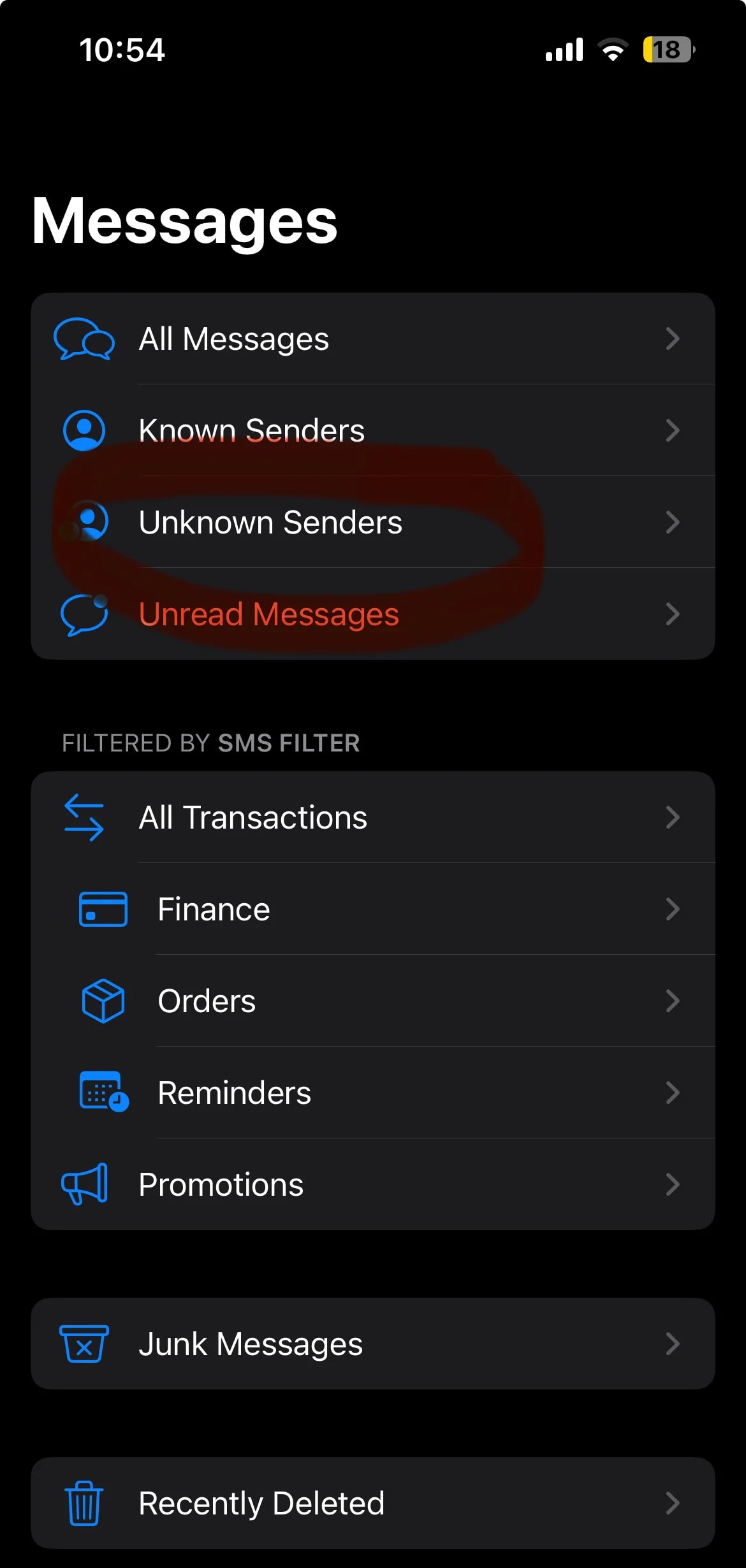
Filter & report junk:
Never respond to “urgent” texts:
Banks, delivery firms, and agencies won’t ask for passwords or codes by SMS. Open the official app or type the URL yourself.
For parents & families (quick wins)
Make a family rule: Sensitive = Signal. Create a single Signal group called “Family (Secure)” and use it for health, travel, or finance chatter.
Teach kids the “Don’t Tap, Open the App” habit for deliveries, games, or prize texts.
For teams, founders, and SOCs
Policy: Mandate an encrypted cross-platform messenger for internal comms; place it in your Acceptable Use Policy.
MFA: Require phishing-resistant MFA for email and SaaS.
Detection: Add smishing IOCs from reputable intel (carriers, CISA advisories, trusted vendors) to filters; monitor spikes in SMS-born phishing tickets.
Awareness: Re-baseline training: “Never click from SMS; go direct.” Use real screenshots of current lures (tolls, shipping, DMV).
Myth-busting
“Is the FBI saying stop texting altogether?”
No, they’re saying avoid unencrypted cross-platform texting for sensitive info and favor encrypted apps. Some headlines condensed it; read the underlying guidance.“Are WhatsApp and Signal okay?”
Yes. Agencies explicitly steer people toward end-to-end encrypted apps for cross-platform comms.
What to do today (copy/paste to your notes)
Create a Signal group for family/work.
Pin your WhatsApp thread with high-risk contacts.
Turn on auto-updates and spam filters.
Delete any text urging you to tap a link; navigate yourself.
Turn on phishing-resistant MFA wherever you can.
Read More On: Cyber Security Monitoring: Best Practices Guide 2026
Sources & further reading
IBM Think: overview tying the FBI/CISA warning to the telecom espionage campaign and recommended mitigations (encrypted apps, OS updates, phishing-resistant MFA). IBM
GovTech explainer: use Signal/WhatsApp for cross-platform encryption; iMessage and Android-to-Android RCS are encrypted within ecosystems. GovTech
Snopes fact-check: confirms the FBI guidance was about unencrypted cross-platform texting. Snopes
NDTV: current smishing surge and concrete safety steps. www.ndtv.com
Forbes (consumer cautions): “don’t click anything” and specific SMS threat evolutions. Forbes+1
Check out our other blogs:
NotEvil Search Engine: How It Works and What You Can Find
10 Online Best Dark Web Search Engines for Tor Browser
Frequently Asked Questions
Are RCS messages across Android devices safe?
Google’s RCS now supports end-to-end encryption for 1:1 and many group chats between Android users. Cross-platform with iPhone is the catch, but use Signal/WhatsApp there.
If I accidentally tapped a smishing link, what now?
Disconnect data/Wi-Fi, force-close the browser, clear recent tabs, run your mobile AV if you have it, change critical passwords on a separate device, and watch accounts for fraud. FBI’s standing guidance: do not interact; go to the official site/app.
Are carriers to blame?
The espionage case targeted telecom infrastructure; agencies published hardening guidance for providers. Consumers still control their biggest risk: don’t use unencrypted cross-platform SMS for sensitive chats.
What scams are trending now?
DMV/road-toll, parcel delivery, and bank-fraud lures are widespread, often from throwaway domains that look “officialish.” Delete, report, and move on.
Does this apply outside the U.S.?
Yes. The tech and attack patterns are global in scope. The guidance (use encryption, don’t click links, update devices, MFA) travels well.