The MGM cyber attack in Las Vegas was a major cybersecurity incident that disrupted hotel check-ins, room keys, casino systems, and payments across MGM Resorts properties. It became one of the most significant hospitality cyber attacks in recent years.
Las Vegas depends on speed.
You expect instant hotel check-ins, working room keys, fast casino payments, responsive customer service, and nonstop entertainment. Behind every smooth guest experience sits a complex network of digital systems.
When the MGM cyber attack Las Vegas struck, those systems were disrupted in public view.
Guests reported long check-in lines, digital room key failures, booking issues, payment problems, and service interruptions across major resort properties operated by MGM Resorts International.
This was not just an IT outage.
It became one of the most widely discussed hospitality cyber incidents in the world because it affected travelers, business operations, investor confidence, and the reputation of one of the biggest names on the Las Vegas Strip.
If you searched for ” cyber attack Las Vegas, this is likely the story you wanted.
In this guide, you’ll learn:
- What happened in the MGM cyber attack
- Full MGM cyber attack timeline
- Who was reportedly behind it
- How guests were affected
- Estimated business losses
- Did MGM pay ransom claims
- MGM vs Caesars comparison
- What hotels and casinos learned
What Happened in the MGM Cyber Attack Las Vegas Incident?

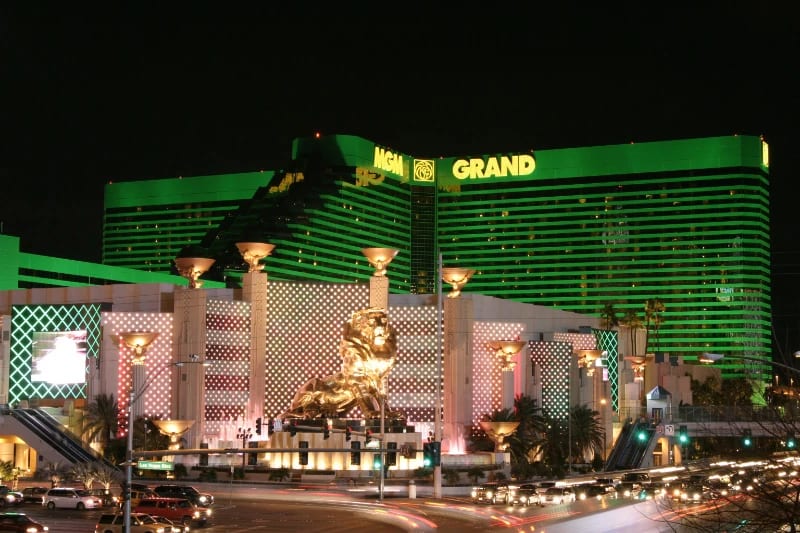
Bobak Ha’Eri, CC BY-SA 3.0/Wikimedia Commons
The incident involving MGM Resorts International caused widespread operational disruption across multiple systems tied to hotel and casino operations.
Because MGM operates major Las Vegas properties, even limited outages can create a massive customer impact.
Reported disruptions included:
- Hotel check-in delays
- Mobile app outages
- Website access problems
- Digital room key issues
- Payment system interruptions
- Reservation verification delays
- Customer service bottlenecks
- Casino floor operational friction
- Internal communication challenges
For guests, the event felt immediate.
For MGM, it became a crisis requiring a rapid technical response.
For the wider business world, it proved that cyber attacks now create real-world disruption at scale.
Why the MGM Las Vegas Cyber Attack Became Global News

Many cyber incidents happen quietly inside corporate systems.
This one unfolded in one of the most visible tourism destinations on earth.
1. Massive Consumer Brand Recognition
Millions of travelers know MGM-operated resorts and casinos.
2. Real Guest Disruption
Visitors physically experienced delays and technology failures.
3. Revenue Pressure
Las Vegas hospitality businesses process high transaction volume every day.
4. Symbolic Impact
If a global resort brand can be disrupted, any company can.
That combination turned the MGM cyber attack into headline news far beyond Las Vegas.
MGM Cyber Attack Timeline
Below is a simplified timeline of the public disruption and recovery period.
| Stage | What Happened |
|---|---|
| Initial Incident | Systems begin experiencing disruption |
| First Public Reports | Guests report check-in and key issues |
| Escalation Phase | Apps, websites, and operations impacted |
| Manual Operations | Some services shift to workaround processes |
| Recovery Phase | Systems gradually restored |
| Post-Incident Review | Security and financial assessments begin |
This timeline shows how quickly a cyber incident can escalate from a backend problem to a customer-facing crisis.
How Did the MGM Cyber Attack Start?
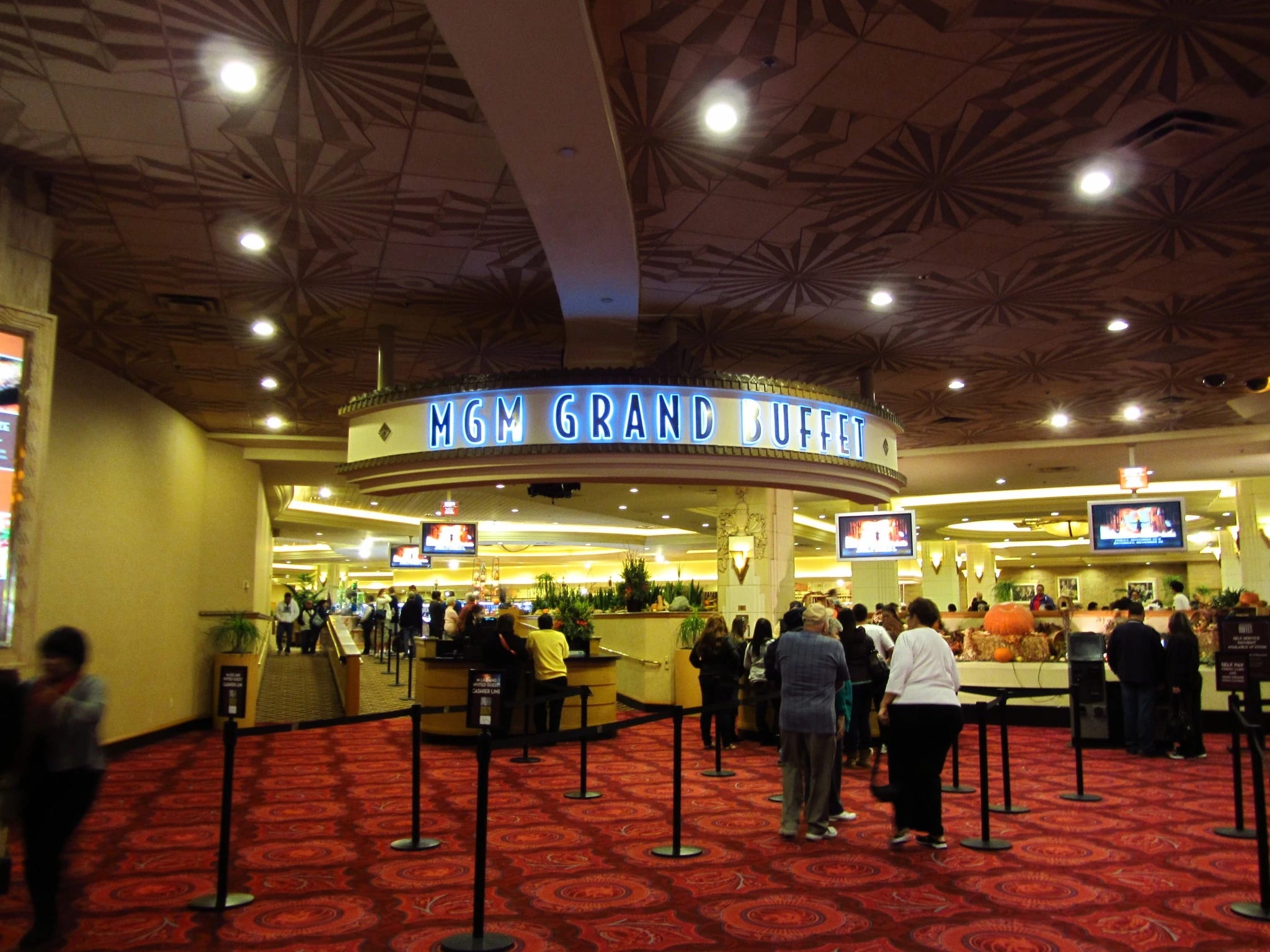
Public reporting widely linked the incident to social engineering tactics.
That means attackers may have manipulated identity verification processes rather than simply exploiting software flaws.
Common methods in these attacks can include:
- Impersonating employees
- Calling help desks for password resets
- Using publicly available staff information
- Leveraging previously exposed credentials
- Exploiting trust-based internal procedures
This is one of the biggest lessons from the MGM cyber attack Las Vegas.
Many modern breaches begin with people, not code.
Who Was Behind the MGM Cyber Attack?
Public reports linked the event to ransomware-related threat actors associated with social engineering operations. Various reports mentioned groups tied to broader cyber extortion campaigns.
For everyday readers, the more important point is this:
Attackers increasingly operate like businesses.
They may use:
- Dedicated intrusion teams
- Credential theft methods
- Negotiation strategies
- Public pressure tactics
- Affiliate-style criminal models
This is why large organizations remain targets despite major security budgets.
Was MGM Hit by Ransomware?
Public reporting widely connected the incident to ransomware-related activity.
Ransomware often involves two risks:
Operational Disruption
Systems become unavailable or unsafe to use.
Extortion Pressure
Attackers may demand payment to restore systems or prevent data exposure.
Whether systems are encrypted, accessed, or disrupted, the business effect can be severe.
For hospitality companies, downtime alone can be extremely costly.
Did MGM Pay the Ransom?
Public discussions around high-profile incidents often include ransom speculation.
Companies do not always disclose every detail publicly, and situations vary depending on legal, insurance, technical, and strategic factors.
The bigger takeaway for businesses is this:
Even if ransom is never paid, recovery costs can still be enormous because of:
- Forensics
- Legal response
- System rebuilding
- Lost revenue
- Customer support costs
- Reputation management
Avoiding an attack is usually cheaper than recovering from one.
How Guests Were Affected During the Las Vegas Cyber Attack
If you were visiting Las Vegas during the incident, you likely cared less about technical language and more about whether your trip still worked.
Hotel Check-In Delays
Some guests reported longer lines and manual processing.
Room Access Problems
Digital key systems can create friction when networks fail.
Booking Confusion
Reservations may take longer to verify during outages.
Payment Interruptions
Connected payment systems can slow or fail.
Travel Stress
Visitors paying premium prices expect convenience, not disruption.
That is why hospitality cyber incidents create stronger emotional reactions than many corporate breaches.
Were Customer Data and Accounts at Risk?
Whenever a major hospitality company faces a cyber incident, customers naturally worry about data exposure.
Possible areas of concern in any resort environment may include:
- Names and contact details
- Reservation records
- Loyalty account information
- Payment-related data
- Travel history
- Corporate booking details
Customers should always monitor official company communications and watch for phishing scams after public breaches.
MGM Cyber Attack Financial Losses
Large cyber incidents create both direct and indirect losses.
Direct Costs
- Incident response teams
- Security consultants
- Legal counsel
- System restoration
- Overtime staffing
- Customer support expansion
Indirect Costs
- Lost bookings
- Reduced gaming activity
- Lower guest satisfaction
- Reputation damage
- Future hesitation from customers
- Investor concern
For public companies, cyber risk is now business risk.
MGM vs Caesars Cyber Attack Comparison
Las Vegas gaming operators faced major cybersecurity attention after incidents involving multiple brands.
| Factor | MGM Incident | Caesars Incident |
|---|---|---|
| Public Operational Impact | Very visible | Different public profile |
| Guest Experience Disruption | High | Lower visibility |
| Media Coverage | Massive | Significant |
| Industry Alarm Level | Very High | High |
| Long-Term Security Focus | Major | Major |
This comparison shows attackers increasingly view hospitality and gaming as attractive targets.
Why Casinos and Hotels Are Prime Cyber Targets
Casinos and resorts combine several factors that criminals seek.
Continuous Revenue
Every hour of downtime can hurt earnings.
Valuable Data
Hospitality systems often store sensitive guest information.
Large Workforces
More employees can mean more identity attack opportunities.
Complex Vendors
Hotels rely on many third-party systems.
Urgency to Restore Service
Attackers know customer-facing downtime creates pressure.
What Hotels and Businesses Learned from MGM

Sean MacEntee, CC BY-SA 2.0/Wikimedia Commons
The MGM cyber attack Las Vegas became a warning sign for every customer-facing company.
1. Protect Help Desks
Identity verification matters.
2. Require Multi-Factor Authentication
Especially for privileged accounts.
3. Segment Networks
One compromise should not affect everything.
4. Rehearse Crisis Response
Practice before a real emergency.
5. Secure Backups
Recovery depends on clean backups.
6. Communicate Fast
Customers handle problems better when updates are clear.
What Travelers Should Do After a Hotel Cyber Attack
If you stayed with an affected company or similar brand, take practical steps.
Immediate Actions
- Change passwords tied to loyalty accounts
- Enable multi-factor authentication
- Watch credit card activity
- Ignore suspicious emails
- Replace cards if advised
- Save official notifications
Smart Ongoing Habits
- Use unique passwords
- Carry backup payment methods
- Use credit instead of debit when possible
- Keep travel confirmations offline
Pros and Cons of Fully Digital Resort Operations
| Pros | Cons |
|---|---|
| Faster guest service | Larger attack surface |
| Mobile convenience | Greater outage risk |
| Better personalization | Vendor dependency |
| Faster payments | Recovery can be expensive |
| Better analytics | Reputation damage after incidents |
Technology improves convenience, but it increases operational dependence.
Why the MGM Cyber Attack Still Matters in 2026
This story remains relevant because it changed how many people view modern hospitality brands.
Hotels and casinos are no longer just service businesses.
They are technology businesses that happen to provide rooms, gaming, dining, and entertainment.
When digital systems fail:
- Operations slow
- Customers notice immediately
- Revenue can drop
- Trust can erode quickly
That’s why the MGM cyber attack Las Vegas still matters well beyond the original headlines.
Final Thoughts
If you searched for ” cyber attack Las Vegas, the MGM incident is likely the event behind your search.
It showed that even iconic brands with substantial resources can be disrupted when attackers exploit identity systems and operational dependencies.
For businesses, the lesson is clear:
Cybersecurity is no longer a background IT cost.
It is a customer experience infrastructure.
For travelers, the lesson is simple:
Always enjoy convenience, but always have backups.
As Las Vegas becomes more connected, resilience will matter just as much as luxury.
Frequently Asked Questions
What was the MGM cyber attack in Las Vegas?
It was a major cyber incident involving MGM Resorts International that disrupted hotel systems, check-ins, payments, and guest services.
Was MGM hit by ransomware?
Public reporting linked the event to ransomware-related actors and social engineering tactics.
How long were MGM systems affected?
Systems were restored gradually over time rather than instantly.
Were hotel guests impacted?
Yes, some guests reported delays, room key issues, payment friction, and service disruptions.
Why do hackers target casinos?
Casinos combine money flow, sensitive data, complex systems, and costly downtime.