n8n is an open-source workflow automation tool, but in cybersecurity, it can become a high-risk system if misconfigured because it stores credentials, tokens, and API keys that attackers may exploit to perform account takeover or access multiple connected services.
You may search for what is n8n after reading a security warning, a breach report, or a blog post about shared credentials and account takeover. That happens because n8n is not only an automation tool. It often provides access to many services at once, making it powerful for developers but attractive to attackers.
When you use n8n, you connect APIs, cloud accounts, databases, and internal tools into one workflow system. This means the platform may store tokens, passwords, and authentication secrets. If someone gains access to the n8n instance, they might gain access to everything connected to it.
Security researchers often discuss automation platforms because misconfiguration can turn them into a central point of failure. One exposed dashboard can lead to data leaks, privilege escalation, or full account takeover.
In this guide, you will learn what n8n is from a cybersecurity perspective, why shared credentials create risk, how attackers exploit automation tools, how exposed n8n servers are discovered, and how you can secure your setup correctly.
What is n8n and why does it matter in cybersecurity?

n8n is an open-source workflow automation platform that lets you connect apps, APIs, and databases using visual workflows. Each workflow runs automatically using stored credentials, so it can perform actions without manual login.
From a security perspective, this makes n8n a sensitive system because it often has permission to access multiple services at once.
Many online threats today are linked to account takeover fraud, where attackers gain access to your account using stolen login details.
Why automation platforms become security targets
| Feature | Security impact |
|---|---|
| Stored credentials | Tokens may be stolen |
| API integrations | One breach affects many systems |
| Self-hosting | Misconfiguration risk |
| Web dashboard | Can be exposed online |
| Shared workflows | Access control problems |
| Custom code | Possible abuse |
When you use n8n, you may store:
- OAuth tokens
- API keys
- Database passwords
- Cloud credentials
- Email access tokens
- Webhook secrets
If an attacker gains access to n8n, they do not need to hack every service. They only need the stored credentials.
This is why automation tools appear in cybersecurity reports even when the tools themselves are not vulnerable.
Organisations should prepare early for APRA CPS 230 to make sure their operational risk, outsourcing, and business continuity controls meet regulatory expectations.
If you want to improve your security setup, read our guide on cybersecurity for law firms to see the best protection strategies for legal professionals.
Why automation tools like n8n are high-risk systems
Automation platforms differ from typical apps. They act as a bridge between services. That means they often have more privileges than a single user account.
When security controls are weak, automation tools can be abused to move between systems.
Why attackers target automation servers
| Reason | Explanation |
|---|---|
| Centralized credentials | One login unlocks many services |
| Long-lived tokens | Credentials may not expire |
| Trusted internal tool | Less monitoring |
| Broad permissions | Workflows need high access |
| Self-hosted setups | Often misconfigured |
For example, a single workflow may access:
- Google account
- AWS account
- Database server
- Payment API
- Email system
If the automation server is compromised, attackers can reuse those permissions.
This type of attack is called credential pivoting, in which an attacker moves from one system to another using stored credentials.
Automation tools are useful, but they must be protected like production infrastructure.
How shared credentials in n8n can lead to account takeover
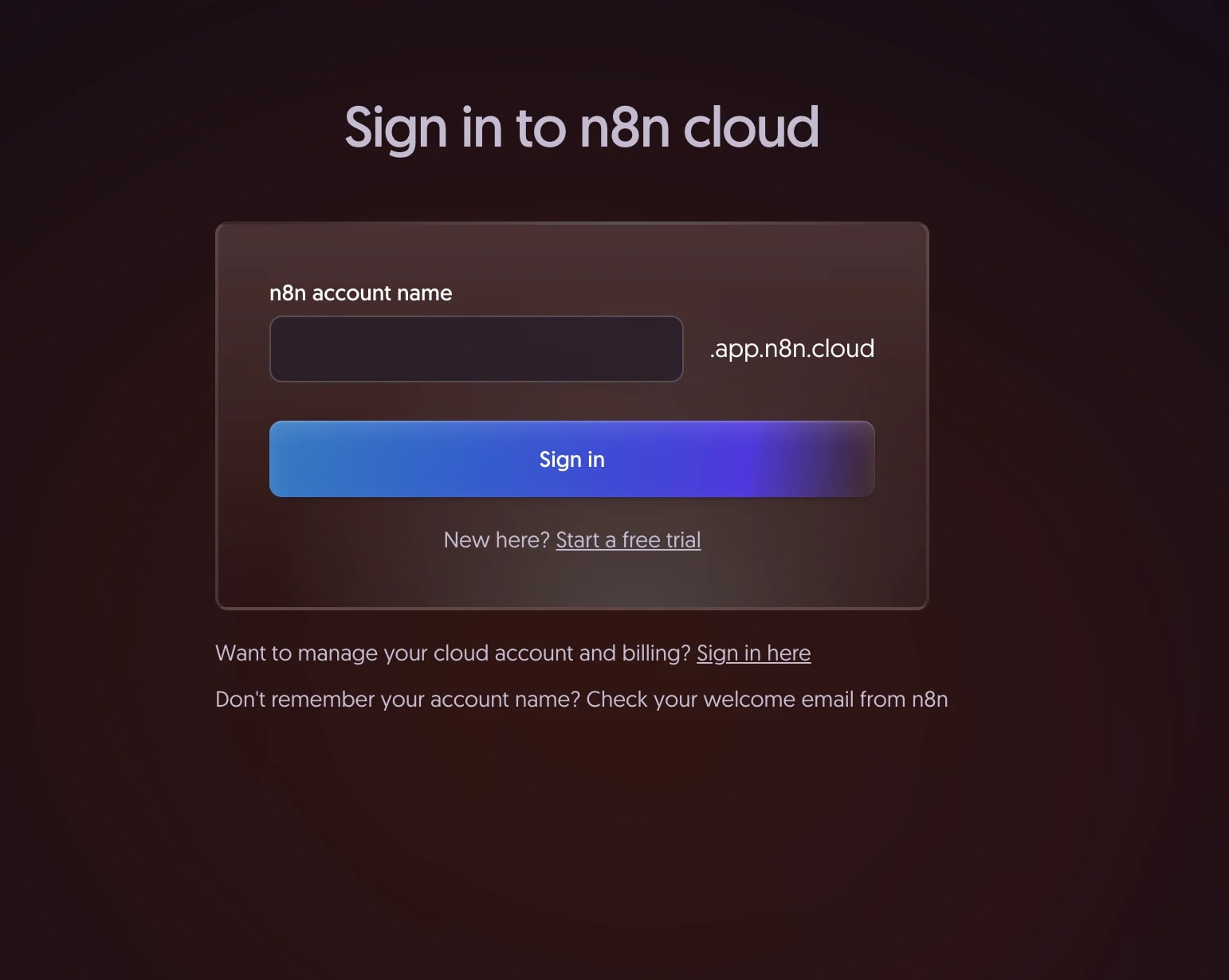
One of the most common risks in n8n is shared credential storage. The platform allows you to save credentials once and reuse them across workflows.
This makes development easier, but it also increases risk if permissions are not restricted.
How shared credentials create risk
| Step | What happens |
|---|---|
| 1 | Credentials saved in n8n |
| 2 | Multiple users access workflows |
| 3 | Permissions not limited |
| 4 | Attacker gets user access |
| 5 | Tokens copied |
| 6 | Tokens used outside n8n |
| 7 | Account takeover |
Example scenario:
- Your team storesthe API token in n8n
- Several users can edit workflows
- One user account is compromised
- Attacker opens workflow
- Copies token
- Logs into the API directly
- Gains full access
Because tokens often allow login without a password, attackers may bypass normal security alerts.
Why shared credentials are dangerous
- Tokens reused across workflows
- Credentials stored for a long time
- Logs may not show token use
- Internal tools are trusted too much
- Permissions often too broad
When you store credentials in automation tools, you must control who can see them.
How n8n stores credentials and why it matters
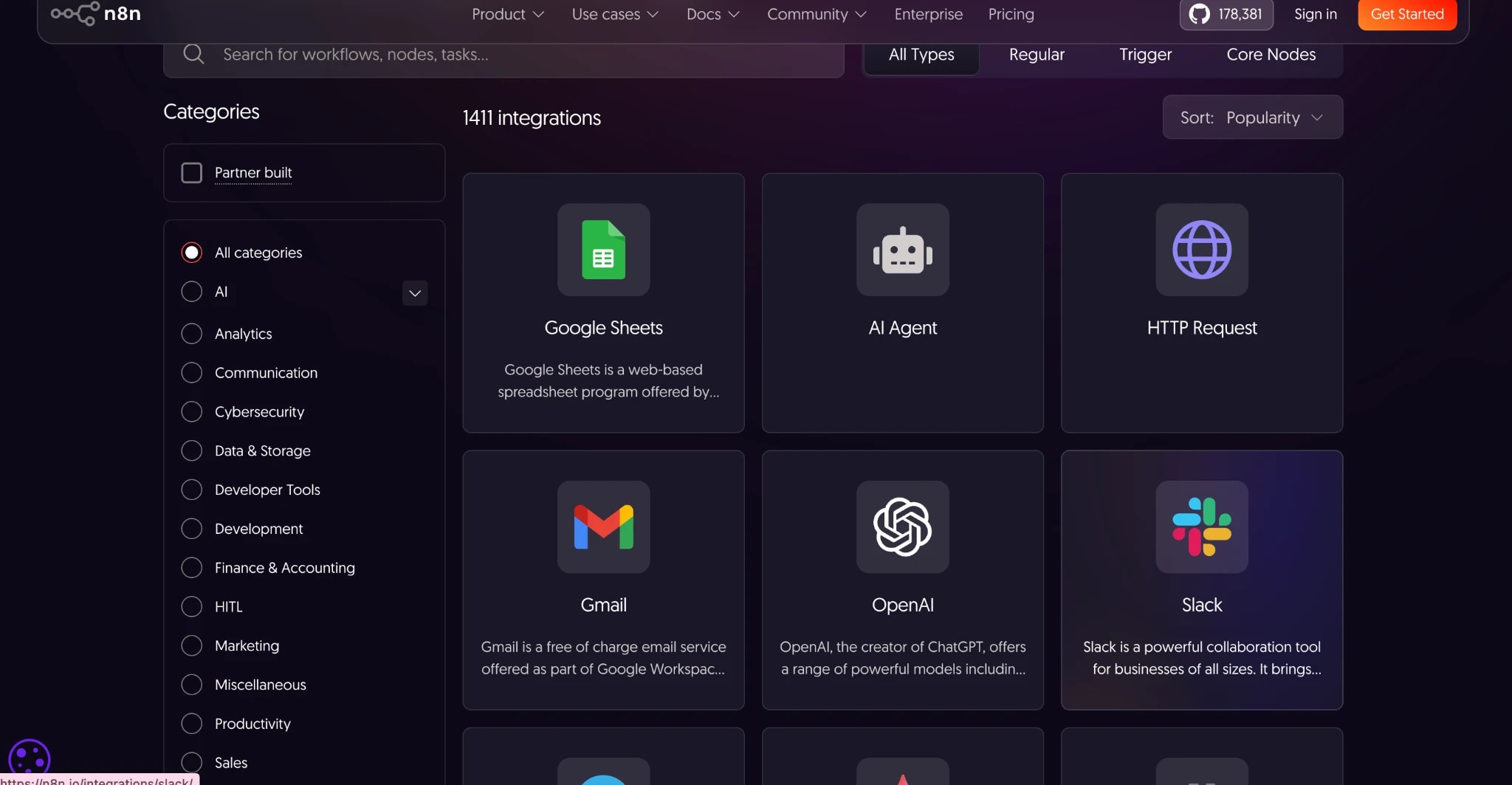
To understand the risk, you need to know how n8n handles authentication data.
n8n stores credentials so workflows can run automatically without asking for a login every time.
Depending on the configuration, credentials may be stored in:
- Database
- Environment variables
- Encrypted storage
- Configuration files
Credential storage architecture
| Component | Purpose |
|---|---|
| Credential store | Saves tokens |
| Workflow engine | Uses credentials |
| Web UI | Allows editing |
| Database | Keeps settings |
| Server config | Holds secrets |
If access to any of these parts is exposed, attackers may read credentials.
Security depends on:
- encryption enabled
- access control configured
- server protected
- secrets stored safely
If you self-host n8n, you are responsible for all of these.
Attack surface of self-hosted n8n
Self-hosting gives control, but it also increases responsibility. Many security issues happen because the server is exposed incorrectly.
Possible attack points
| Attack surface | Risk |
|---|---|
| Public dashboard | Unauthorized login |
| Weak password | Brute force |
| Old version | Known exploit |
| Open port | Remote access |
| Exposed config | Token leak |
| Shared account | Privilege abuse |
| No HTTPS | Credential capture |
Attackers often scan the internet looking for exposed services.
Automation dashboards are attractive because they may hold high-value credentials.
Why self-hosted tools get exposed
- Default settings used
- No firewall rules
- Admin panel public
- No authentication enabled
- Server misconfigured
You should treat n8n like a backend server, not a simple app.
How attackers find exposed n8n servers
Security researchers and attackers both use scanning tools to find public services.
They search for known ports, page titles, or login panels.
Common discovery methods
| Method | Description |
|---|---|
| Port scanning | Find open services |
| Search engines | Index exposed pages |
| Shodan scans | Find public servers |
| Default URLs | Detect dashboards |
| Version detection | Find old builds |
If your n8n instance is public, it may appear in scans automatically.
Once found, attackers may try:
- password guessing
- token extraction
- workflow editing
- privilege escalation
Most attacks do not need complex exploits. They use a weak configuration.
Real attack scenario using misconfigured n8n

Understanding a real scenario helps you see why automation tools appear in security reports.
Example attack flow
| Step | Action |
|---|---|
| 1 | Copies the API token |
| 2 | Finds open n8n login |
| 3 | Tries weak password |
| 4 | Gets dashboard access |
| 5 | Opens workflow |
| 6 | Logs into the cloud account |
| 7 | Creates a new user |
| 8 | Creates new user |
| 9 | Keeps access |
Possible results:
- Email takeover
- Database leak
- Cloud abuse
- Payment fraud
- Internal system control
Because n8n connects many services, one mistake can affect everything.
Common n8n misconfigurations that cause security problems
Most incidents happen because of setup mistakes, not software bugs.
Frequent errors
- Public admin panel
- Shared admin account
- No role permissions
- Tokens stored in plain text
- Old version running
- No HTTPS
- No firewall
- No log monitoring
| Mistake | Result |
|---|---|
| Public access | Unauthorized login |
| Shared users | No tracking |
| Weak auth | Takeover |
| Token reuse | Multi-system breach |
| No updates | Exploits |
| No logs | Attack unnoticed |
Automation tools must follow the same security rules as production servers.
How to secure n8n against credential leaks and takeover
If you use n8n in production, you should apply strict security controls.
Required security steps
- Enable authentication
- Use strong passwords
- Enable user roles
- Do not share accounts
- Use HTTPS
- Restrict IP access
- Store secrets safely
- Update regularly
- Monitor logs
- Rotate tokens
Recommended enterprise setup
| Control | Benefit |
|---|---|
| Reverse proxy | Hide service |
| VPN access | Limit users |
| Secret manager | Protect tokens |
| SSO login | Better identity control |
| Audit logs | Detect abuse |
| Separate environments | Reduce damage |
Security should be planned before automation grows.
n8n vs Zapier vs Make security comparison
| Platform | Control | Risk |
|---|---|---|
| n8n self-hosted | High | Depends on setup |
| Zapier cloud | Managed | Lower user risk |
| Make cloud | Managed | Lower user risk |
| Custom backend | Full | High responsibility |
n8n gives flexibility, but also requires stronger security practices.
When you should worry about n8n security
You should review your setup if you:
- store API tokens
- automate cloud access
- Use shared accounts
- allow many users
- run public server
- control production systems
- skip audits
Automation becomes risky when it controls important data.
Final thoughts
n8n is a powerful automation tool, but in cybersecurity discussions, it often appears because it can store credentials for many services in one place. If shared credentials, weak permissions, or exposed dashboards exist, attackers may use n8n to perform account takeover, steal tokens, and access connected systems.
You should not avoid automation, but you must secure it like a critical backend server. When configured correctly, n8n is flexible and safe. When configured poorly, it becomes a single point of failure.
Understanding this balance helps you use automation without creating new security risks.
Frequently Asked Questions
What is n8n used for?
n8n is used to automate workflows between apps, APIs, and databases without manual work.
Why is n8n mentioned in security reports?
Because it stores credentials and tokens, exposed instances can allow attackers to access connected services.
Can n8n cause account takeover?
Yes, if tokens or shared credentials are stolen, attackers may log into cloud, email, or API accounts.
Is n8n safe to use?
Yes, but only if properly configured with authentication, encryption, and restricted access.
Should n8n be public on the internet?
No, it should be protected with firewall rules, HTTPS, authentication, and limited access.